
Hakone
Japan
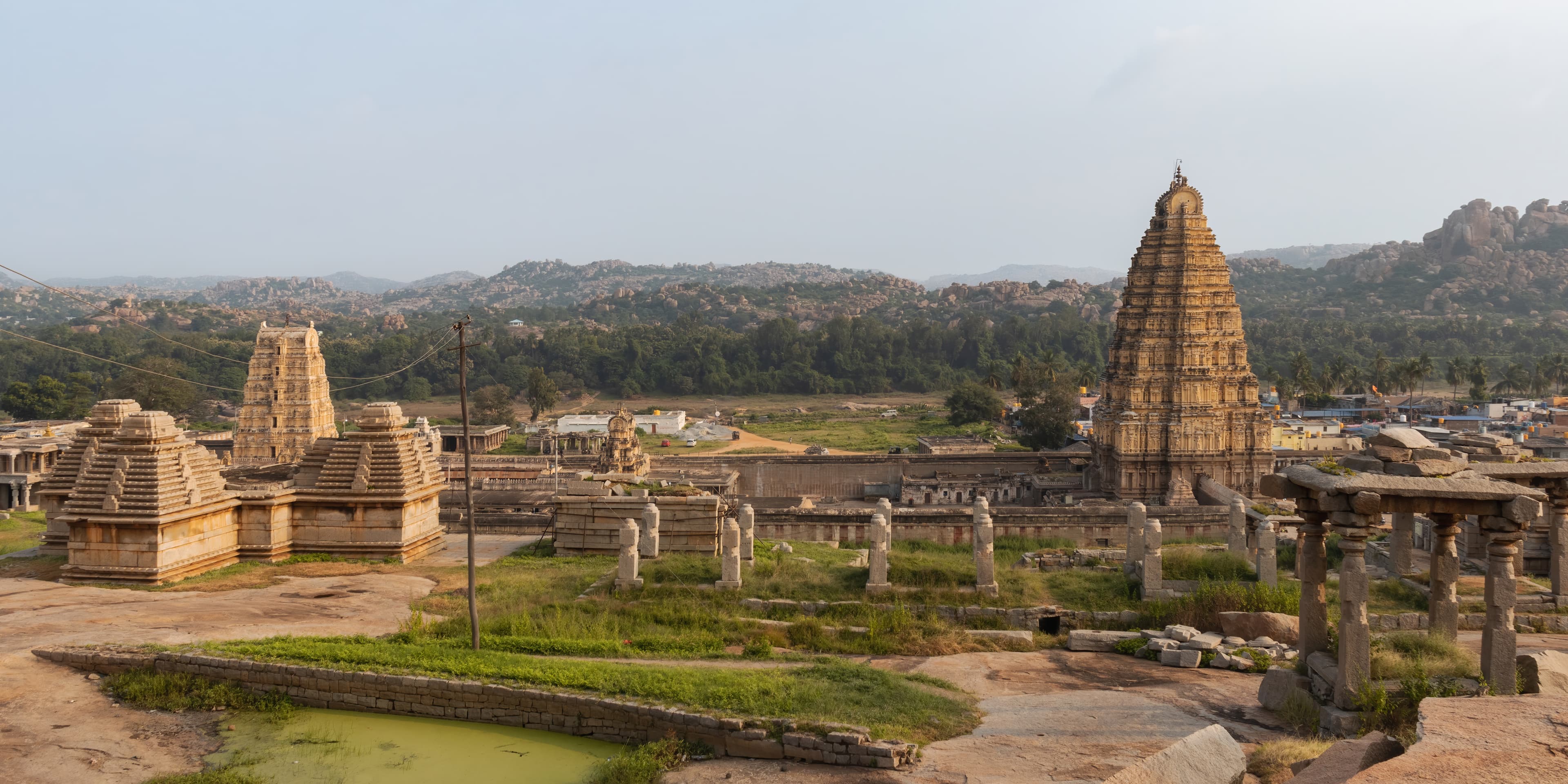
Hampi
India
Hakone
Hampi
💰 Budget
🛡️ Safety
Hakone
Hakone is among the safest travel destinations in the world. Japan's exceptionally low crime rates apply fully here — petty theft, scams, and harassment are vanishingly rare. The primary safety considerations are natural rather than human: volcanic gas at Owakudani can cause periodic closures, earthquakes are a background reality, and the mountain weather can change rapidly. Visitors with tattoos should be aware that most public baths prohibit them, though private in-room baths (kashikiri) are widely available.
Hampi
Hampi is a safe destination by Indian standards, with violent crime toward tourists extremely rare. The primary hazards are environmental rather than human — heat stroke in summer, slippery barefoot temple steps, and monkey bites from the large Rhesus macaque population around the temples. India's overall safety index sits around 112 on global peace indices; Hampi, as a pilgrimage and tourist town, is notably calmer than urban India.
⭐ Ratings
🌤️ Weather
Hakone
Hakone has a mountain temperate climate, noticeably cooler and wetter than Tokyo year-round due to its elevation (500-700 m in most resort areas). Summers are pleasantly mild compared to the city's oppressive heat. Winters bring occasional snow and the clearest Mount Fuji views. Autumn foliage (koyo) in November is spectacular. Rainfall is relatively high due to orographic lift from Pacific weather systems — a clear day for Fuji views is genuinely special and not guaranteed.
Hampi
Hampi sits on the Deccan Plateau in northern Karnataka, giving it a semi-arid climate with extremes in both directions. The tourist season runs mid-October to mid-March, when temperatures are pleasant and the granite ruins are comfortable to explore on foot. The remaining months — summer heat peaking above 40°C and a monsoon that turns paths muddy — make off-season visits genuinely challenging.
🚇 Getting Around
Hakone
The Hakone Free Pass is the essential tool for getting around. A 2-day pass (¥6,100 from Shinjuku including Odakyu round-trip) or 3-day pass (¥6,500) covers virtually all transport within Hakone: the Tozan railway, Tozan cable car, Hakone Ropeway gondola, sightseeing ships on Lake Ashi, and Tozan bus routes. Most visitors plan their itinerary around the classic loop: Hakone-Yumoto → Gora by Tozan train → Sounzan by cable car → Togendai by ropeway → Moto-Hakone by pirate ship → back by bus.
Walkability: Within individual resort towns like Hakone-Yumoto, Gora, and Moto-Hakone, walking is easy and pleasant. The distances between the main attractions of the circuit require the pass-covered transport. The old Tokaido road between Moto-Hakone and Hakone-machi is a beautiful 8 km forest walk along the original Edo-period highway.
Hampi
Hampi's ruins span roughly 26 km² — too large to walk entirely but well-suited to bicycle or scooter. The Sacred Centre (Virupaksha to Vittala Temple, ~3 km) can be done on foot. The Royal Centre (Lotus Mahal, Elephant Stables, Queen's Bath) is a further 3–4 km south, making a bicycle or hired auto-rickshaw the practical choice for covering both zones in a day.
Walkability: The Sacred Centre core is walkable but the full ruin field is not — distances between major sites range from 1 to 6 km on sandy or rocky paths. The Royal Centre is not comfortably walkable from Hampi village. A bicycle is the minimum recommended transport for visitors wanting to cover both zones.
The Verdict
Choose Hakone if...
you want Tokyo's onsen escape — ryokan + kaiseki nights, Mt. Fuji views from Lake Ashi, Owakudani black eggs, and the Hakone Free Pass loop
Choose Hampi if...
you want a UNESCO boulder-and-ruins landscape — the Vijayanagara capital, Virupaksha Temple, Stone Chariot, Matanga Hill sunset, and Hippie Island slow days