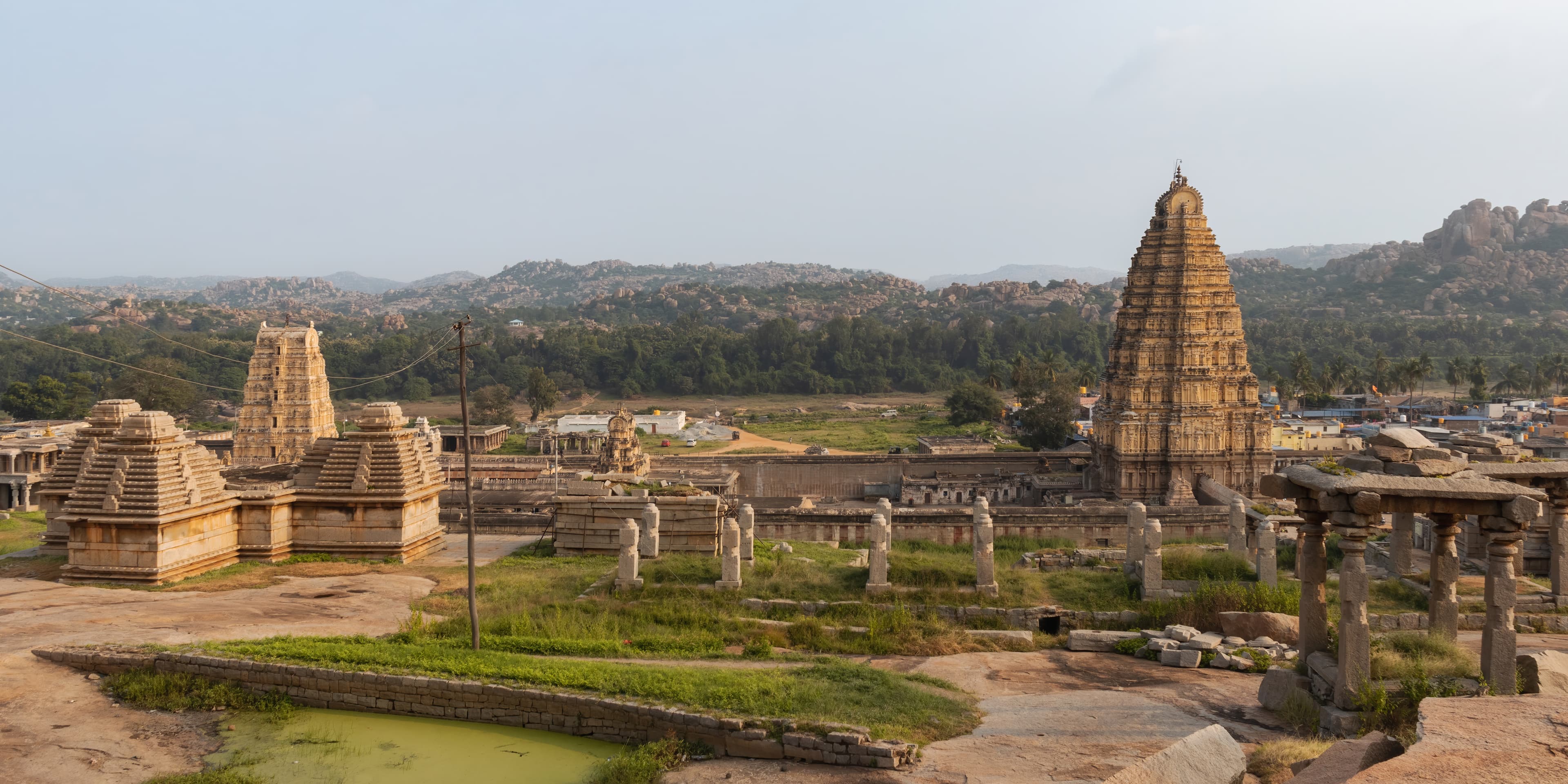
Hampi
India

Mumbai
India
Hampi
Mumbai
💰 Budget
🛡️ Safety
Hampi
Hampi is a safe destination by Indian standards, with violent crime toward tourists extremely rare. The primary hazards are environmental rather than human — heat stroke in summer, slippery barefoot temple steps, and monkey bites from the large Rhesus macaque population around the temples. India's overall safety index sits around 112 on global peace indices; Hampi, as a pilgrimage and tourist town, is notably calmer than urban India.
Mumbai
Mumbai is generally considered one of India's safest major cities. Violent crime against tourists is rare. Petty theft, scams, and traffic-related dangers are the main concerns. The city has a strong community culture where neighborhoods look out for each other.
⭐ Ratings
🌤️ Weather
Hampi
Hampi sits on the Deccan Plateau in northern Karnataka, giving it a semi-arid climate with extremes in both directions. The tourist season runs mid-October to mid-March, when temperatures are pleasant and the granite ruins are comfortable to explore on foot. The remaining months — summer heat peaking above 40°C and a monsoon that turns paths muddy — make off-season visits genuinely challenging.
Mumbai
Mumbai has a tropical climate with three distinct seasons — a hot and humid pre-monsoon (March-May), an intense monsoon (June-September), and a pleasant dry season (October-February). The monsoon is dramatic, with the city receiving over 2,000 mm of rain, mostly in July and August.
🚇 Getting Around
Hampi
Hampi's ruins span roughly 26 km² — too large to walk entirely but well-suited to bicycle or scooter. The Sacred Centre (Virupaksha to Vittala Temple, ~3 km) can be done on foot. The Royal Centre (Lotus Mahal, Elephant Stables, Queen's Bath) is a further 3–4 km south, making a bicycle or hired auto-rickshaw the practical choice for covering both zones in a day.
Walkability: The Sacred Centre core is walkable but the full ruin field is not — distances between major sites range from 1 to 6 km on sandy or rocky paths. The Royal Centre is not comfortably walkable from Hampi village. A bicycle is the minimum recommended transport for visitors wanting to cover both zones.
Mumbai
Mumbai's transport network is anchored by its legendary suburban railway system, supplemented by buses, auto-rickshaws (in suburbs), taxis, and ride-hailing apps. The city is a long, narrow peninsula — north-south travel relies heavily on trains. Traffic is severe, especially during rush hours.
Walkability: South Mumbai (Colaba to Fort) is walkable and rewarding — colonial architecture, street markets, and cafes line the streets. Marine Drive promenade is a beautiful walk. The rest of Mumbai is too spread out and traffic-heavy for walking long distances. Always use pedestrian overpasses where available — jaywalking is dangerous.
The Verdict
Choose Hampi if...
you want a UNESCO boulder-and-ruins landscape — the Vijayanagara capital, Virupaksha Temple, Stone Chariot, Matanga Hill sunset, and Hippie Island slow days
Choose Mumbai if...
you want India's Manhattan — Gateway of India, Elephanta Caves, Marine Drive Queen's Necklace, Chhatrapati Shivaji Terminus, Dharavi slum tours, and Bollywood energy