🏆 Hampi wins 82 OVR vs 79 · attribute matchup 2–2
India
82OVR
Bhutan
79OVR

Hampi
India
Paro
Bhutan
Hampi
Paro
💰 Budget
🛡️ Safety
Hampi
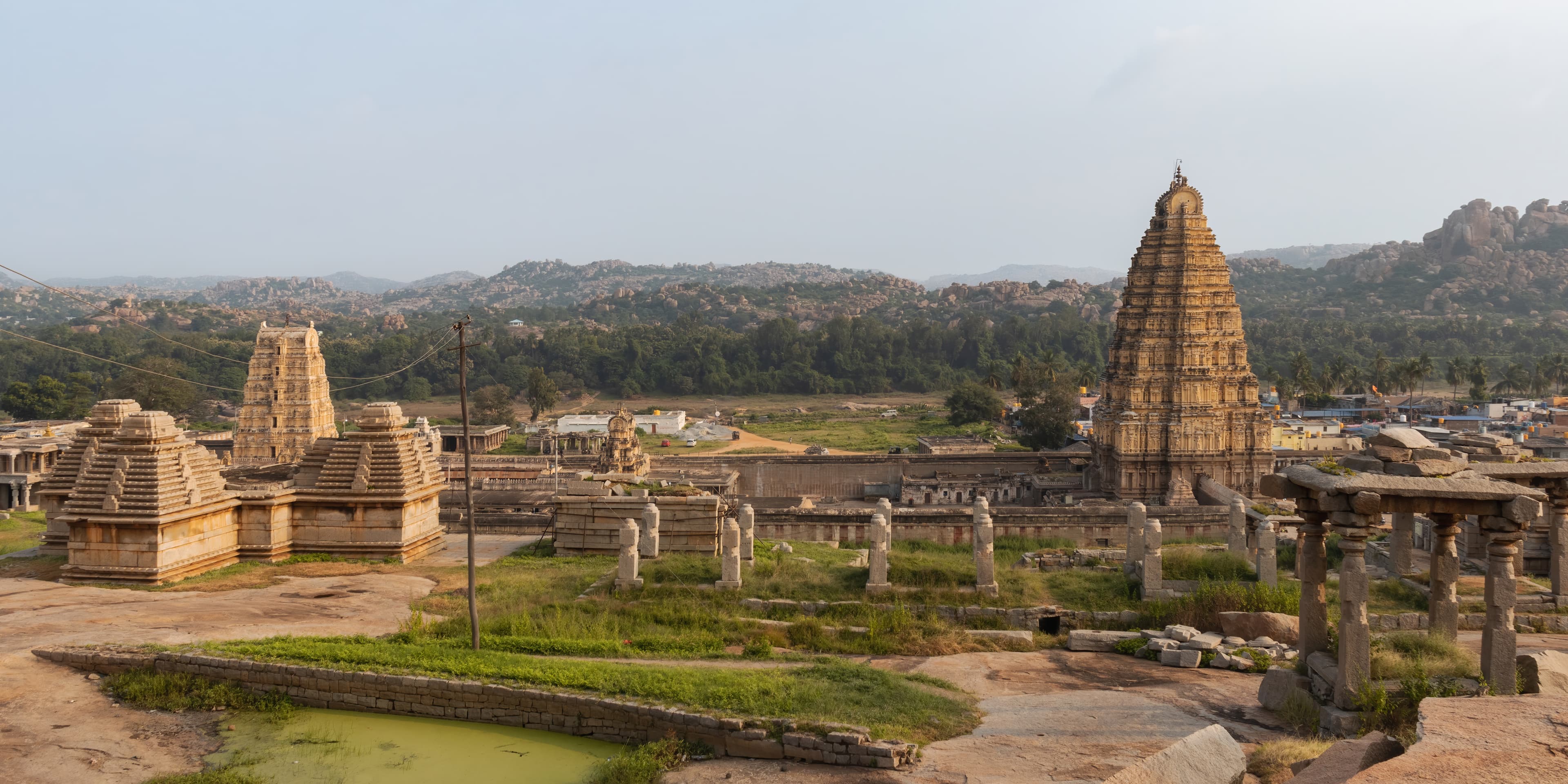
Hampi is a safe destination by Indian standards, with violent crime toward tourists extremely rare. The primary hazards are environmental rather than human — heat stroke in summer, slippery barefoot temple steps, and monkey bites from the large Rhesus macaque population around the temples. India's overall safety index sits around 112 on global peace indices; Hampi, as a pilgrimage and tourist town, is notably calmer than urban India.
Paro
Bhutan is consistently ranked among the safest travel destinations in the world. Violent crime toward tourists is essentially unheard of, petty theft is rare, and the mandatory tour-operator model means every visitor travels with a licensed guide and driver who manage logistics, medical concerns, and permits. The real hazards are altitude, the steep Tiger's Nest trail, and winter-pass closures — not human. Comprehensive travel insurance covering Himalayan altitudes is nonetheless essential.
⭐ Ratings
🌤️ Weather
Hampi
Hampi sits on the Deccan Plateau in northern Karnataka, giving it a semi-arid climate with extremes in both directions. The tourist season runs mid-October to mid-March, when temperatures are pleasant and the granite ruins are comfortable to explore on foot. The remaining months — summer heat peaking above 40°C and a monsoon that turns paths muddy — make off-season visits genuinely challenging.
Paro
Paro sits at 2,200 m in the western Himalayan foothills — high enough that air is noticeably thin, temperatures swing hard between day and night, and seasons arrive in sharp succession. Spring (March–May) and autumn (September–November) are the prime visitor seasons with clear skies and moderate temperatures. Summer brings the monsoon and cloud that hides the mountains; winter is cold, clear, and often the most beautiful light of the year.
🚇 Getting Around
Hampi
Hampi's ruins span roughly 26 km² — too large to walk entirely but well-suited to bicycle or scooter. The Sacred Centre (Virupaksha to Vittala Temple, ~3 km) can be done on foot. The Royal Centre (Lotus Mahal, Elephant Stables, Queen's Bath) is a further 3–4 km south, making a bicycle or hired auto-rickshaw the practical choice for covering both zones in a day.
Walkability: The Sacred Centre core is walkable but the full ruin field is not — distances between major sites range from 1 to 6 km on sandy or rocky paths. The Royal Centre is not comfortably walkable from Hampi village. A bicycle is the minimum recommended transport for visitors wanting to cover both zones.
Paro
Transportation in Bhutan is effectively handled for you — the licensed tour-operator model means a driver and guide accompany you throughout your stay, and all transfers between Paro, Thimphu, Punakha, and beyond are pre-arranged in your package. Public transport exists but is rarely relevant to international tourists. Paro town itself is small (under 2 km end-to-end) and easily walkable; anything beyond town requires your tour vehicle or, rarely, a local taxi.
Walkability: Paro town centre is highly walkable — a flat 15-minute stroll end to end. Beyond town, however, the valley is 20 km long and the key sights (Tiger's Nest trailhead, Kyichu, Drukgyel, Chele La) are 7–25 km apart. A vehicle (your tour operator's) is essential for everything outside central Paro.
The Verdict
Choose Hampi if...
you want a UNESCO boulder-and-ruins landscape — the Vijayanagara capital, Virupaksha Temple, Stone Chariot, Matanga Hill sunset, and Hippie Island slow days
Choose Paro if...
you want Tiger's Nest monastery, the last Himalayan Buddhist kingdom, and Gross National Happiness — via mandatory licensed tour operator