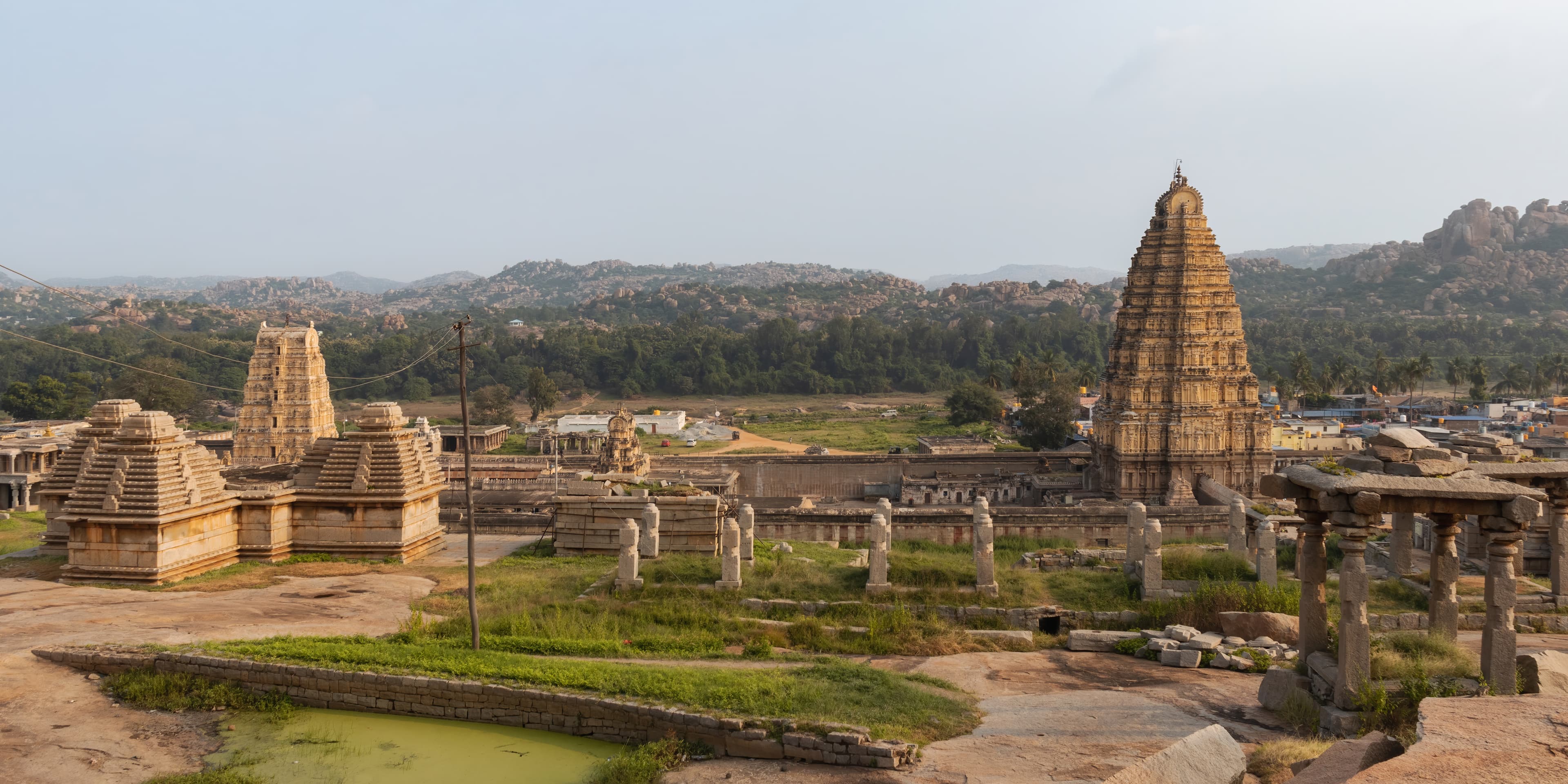
Hampi
India

Sapa
Vietnam
Hampi
Sapa
💰 Budget
🛡️ Safety
Hampi
Hampi is a safe destination by Indian standards, with violent crime toward tourists extremely rare. The primary hazards are environmental rather than human — heat stroke in summer, slippery barefoot temple steps, and monkey bites from the large Rhesus macaque population around the temples. India's overall safety index sits around 112 on global peace indices; Hampi, as a pilgrimage and tourist town, is notably calmer than urban India.
Sapa
Sapa is generally safe for travellers and serious violent crime against tourists is extremely rare. The main practical hazards are physical rather than criminal: winding mountain roads, cold and wet conditions that catch under-prepared visitors off guard, and genuine terrain challenges on longer treks. The other significant nuisance is persistent tout activity around the town square and market, where Hmong women and children follow foreign visitors for extended distances offering guided walks, souvenirs, and bracelets. This is rarely threatening but can be exhausting — a firm, polite "no thank you" repeated calmly is the most effective response.
⭐ Ratings
🌤️ Weather
Hampi
Hampi sits on the Deccan Plateau in northern Karnataka, giving it a semi-arid climate with extremes in both directions. The tourist season runs mid-October to mid-March, when temperatures are pleasant and the granite ruins are comfortable to explore on foot. The remaining months — summer heat peaking above 40°C and a monsoon that turns paths muddy — make off-season visits genuinely challenging.
Sapa
Sapa has a highland temperate climate — cool to cold year-round by Vietnamese standards — that comes as a genuine shock to visitors arriving from the scorching coast. Average temperatures range from 10°C in winter to a pleasant 20°C in summer, with no true hot season. The town sits in a meteorological "fog bowl" and can disappear under thick cloud for days at a time, particularly in late winter and early summer. The rice paddies shift through a full colour cycle across the year: misty green in spring, lush in summer, gold in autumn, and bare and sometimes frost-dusted in winter. Packing layers is essential regardless of when you visit — mountain weather changes within hours.
🚇 Getting Around
Hampi
Hampi's ruins span roughly 26 km² — too large to walk entirely but well-suited to bicycle or scooter. The Sacred Centre (Virupaksha to Vittala Temple, ~3 km) can be done on foot. The Royal Centre (Lotus Mahal, Elephant Stables, Queen's Bath) is a further 3–4 km south, making a bicycle or hired auto-rickshaw the practical choice for covering both zones in a day.
Walkability: The Sacred Centre core is walkable but the full ruin field is not — distances between major sites range from 1 to 6 km on sandy or rocky paths. The Royal Centre is not comfortably walkable from Hampi village. A bicycle is the minimum recommended transport for visitors wanting to cover both zones.
Sapa
Sapa Town itself is compact and walkable — the market, town square, most guesthouses, and the start of the Cat Cat path are all within 15 minutes on foot. Beyond town, getting around requires local motorbike taxis (xe om), hired motorbikes, shared vans, or the Fansipan cable car. Grab is largely non-functional in Sapa and should not be relied upon. Distances to trailheads and villages are short enough that motorbike taxis are the default option for independent travellers.
Walkability: Sapa Town center is compact and walkable on foot, though streets are hilly and stone-paved. Cat Cat Village is reachable by a pleasant 2 km downhill walk from town. Most other villages and natural attractions require transport. The town has no flat terrain — expect a genuine uphill return from any lower destination.
The Verdict
Choose Hampi if...
you want a UNESCO boulder-and-ruins landscape — the Vijayanagara capital, Virupaksha Temple, Stone Chariot, Matanga Hill sunset, and Hippie Island slow days
Choose Sapa if...
you want Northern Vietnam's mountain terraces — Hmong homestays, Fansipan cable car, and multi-day treks through Muong Hoa Valley